Liver Disease and Treatment in Fresno
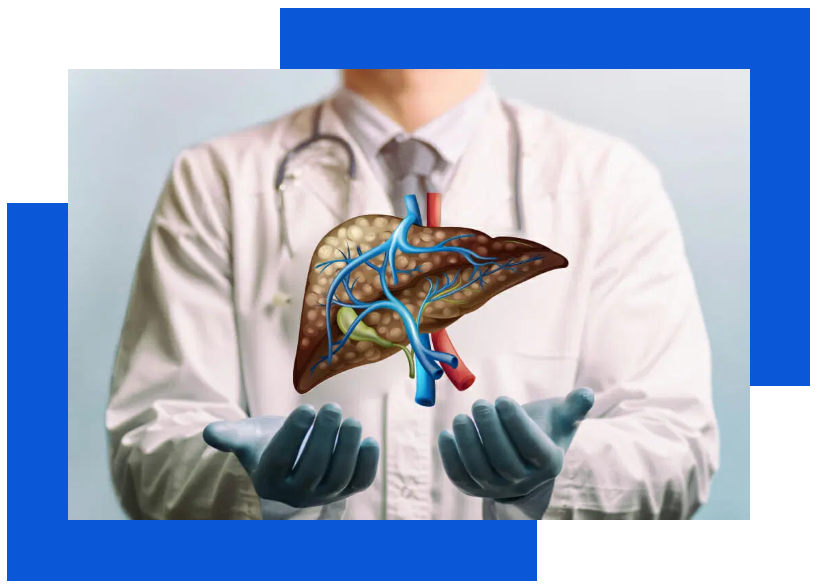
About Metabolic Dysfunction-Associated Liver Disease (MASLD)
Effective MASLD Treatment in Fresno for Better Liver Health
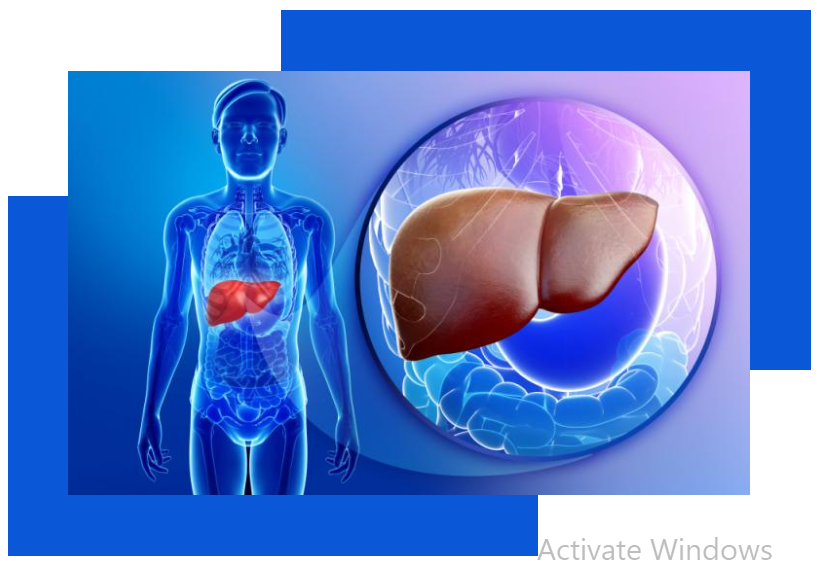
Exercise for Liver Disease Patients in Fresno to Improve Health and Wellbeing
A personalized exercise plan, which may include aerobic exercises and strength training, is highly advocated as part of complete MASLD remedy in Fresno. These activities help improve circulation, promote fats loss, lessen liver irritation, and prevent the buildup of fat inside the liver. Regular workout also helps to enhance energy levels, reduce fatigue, and manage stress, which can substantially enhance the quality of life for patients with liver disorder.
Incorporating physical activity into a MASLD remedy in Fresno plan is useful not just for the liver but for overall physical health. Physicians usually recommend combining exercise with different lifestyles, including a balanced diet and medicinal capsules. By staying active and following a well-rounded approach, patients can better manipulate their circumstance and keep away from development to more extreme liver damage. Before beginning any new workout routine, it’s crucial for liver disease patients to seek advice from healthcare providers for guidance and suggestions tailor-made to their individual needs. Taking proactive steps these days can cause a healthier liver and improved long-term wellness.
Benefits of Liver Disease and Treatment in Fresno
01.
02.
03.
04.
05.
06.
FAQs
1. What is Metabolic Dysfunction Associated with Liver Disease (MASLD)?
Understanding MASLD: A Growing Concern for American Health
Metabolic dysfunction-associated steatotic liver disease (MASLD) represents a critical health issue affecting approximately 100 million Americans, most of whom remain unaware of their condition. This disease is categorized into two distinct types: genetically driven PNPLA2, which primarily causes liver complications, and the metabolic dysfunction-driven variant, closely associated with type 2 diabetes mellitus (DM2) and cardiovascular events.
The progression of MASLD is alarming. Out of the 100 million diagnosed with fatty liver, an estimated 20 million will develop liver fibrosis or nonalcoholic fatty liver disease (NAFLD). From this group, around 5 million may progress to nonalcoholic steatohepatitis (NASH) and potentially face liver cirrhosis or even end-stage liver failure. Unfortunately, for those who reach this critical stage, liver transplantation remains the only viable cure. However, the reality is grim: approximately 30% of individuals on the transplant waiting list will die before receiving a suitable organ.
One of the most concerning aspects of NAFLD and NASH is their silent nature. Often, these diseases exhibit no symptoms, even as they progress to severe liver damage. It is not uncommon for individuals to remain asymptomatic until cirrhosis has advanced to a stage where only a transplant offers a chance of survival.
As we continue to explore the implications of MASLD, it is crucial to raise awareness about its symptoms, complications, and the urgent need for early detection and intervention.
Evaluation of MASH Patients
1. Medical History and Physical Examination:
Initial assessment includes a thorough medical history focusing on risk factors such as obesity, diabetes, and metabolic syndrome. A physical examination may reveal signs like hepatomegaly.
2. Non-Invasive Tools:
Fibroscan (Transient Elastography): This ultrasound-based tool measures liver stiffness, which correlates with liver fibrosis. It is quick, painless, and provides immediate results. The higher the liver stiffness, the more advanced the fibrosis.
Serum Biomarkers: Various blood tests, including liver function tests and biomarkers like FIB-4 index or NAFLD fibrosis score, can help assess the degree of liver damage.
Imaging Studies: Ultrasound, MRI, or CT scans can assess liver fat content and rule out other liver diseases.
Treatment Options
1. Lifestyle Interventions:
Dietary Changes: Encourage a balanced diet rich in fruits, vegetables, whole grains, and lean proteins while reducing saturated fats and sugars.
Physical Activity: Regular exercise is crucial for weight management and improving insulin sensitivity. Aim for at least 150 minutes of moderate-intensity aerobic activity weekly.
Weight Loss: A weight loss of 5-10% can significantly reduce liver fat and improve liver function.
2. Pharmaceutical Therapy:
Rezdiffra (generic name: resmetirom) is a novel, FDA-approved medication designed for the treatment of non-alcoholic steatohepatitis (NASH) in adults with liver fibrosis. It works as a selective thyroid hormone receptor beta agonist, aiming to reduce liver fat and improve liver function. By targeting metabolic pathways, Rezdiffra not only helps in decreasing liver fat but also addresses associated metabolic conditions such as obesity and dyslipidemia. Clinical trials have shown promising results in improving liver histology and metabolic profiles, making it a significant advancement in the management of NASH. Similarly, Semaglutide and Tirzepatide have shown promise in reducing liver fat and improving metabolic parameters in MASH patients. These medications primarily target weight loss and glycemic control.
3. Clinical Trials:
Participation in Clinical Trials: Patients may have the option to enroll in Phase 2 and 3 clinical trials evaluating new therapies for MASH. This can provide access to cutting-edge treatments that are not yet widely available. Information on ongoing trials can be found on clinical trial registries, and patients should discuss eligibility with their healthcare providers.
In summary, a comprehensive approach combining non-invasive evaluation techniques and a multi-faceted treatment plan—emphasizing lifestyle changes, new pharmacotherapies, and potential clinical trial participation—can help manage MASH effectively. Regular follow-ups and adjustments in the treatment plan are essential for achieving optimal outcomes.